


The European Commission has approved the combination of Tecentriq (atezolizumab) and Avastin (bevacizumab) as a first-line treatment for adults with advanced or inoperable hepatocellular carcinoma (HCC), the most common form of liver cancer. This decision follows the recommendation of the Committee for Medicinal Products for Human Use (CHMP), a branch of the European Medicines Agency (EMA). The Tecentriq-Avastin…
Conditions
Conditions

Potential Cell Therapy for Multiple Myeloma Named Orphan Drug by FDA
The U.S. Food and Drug Administration (FDA) has granted orphan drug designation to CellProtect, an investigational therapy for multiple myeloma that uses a person’s immune cells to help combat cancer. This designation is given to therapies with the potential to improve medical care for rare disorders, defined as those that affect fewer than 200,000 people…

Athenex Oncology Offers Free ‘Evidenced-based’ Lifestyle Guide for MBC Patients
A new Athenex Oncology guide offers evidence-based lifestyle suggestions to metastatic breast cancer (MBC) patients to help improve their quality of life. The free booklet, called “Your Guide to Facing Metastatic Breast Cancer,” is touted as a first-of-its-kind resource. Its recommendations include building physical and emotional resilience, maintaining a healthful diet, getting enough sleep, lowering…

Opdivo-Yervoy-Chemo Combo Approved in EU for Advanced NSCLC
The European Commission has approved a combination of Opdivo (nivolumab) and Yervoy (ipilimumab) plus two cycles of platinum-based chemotherapy as a first-line treatment for people with advanced non-small cell lung cancer (NSCLC) that contain no mutations in the EGFR or ALK genes. The approval follows a positive recommendation from the Committee for Medicinal Products for Human Use, a…

New Nirogacestat Combos to Enter Myeloma Trials, SpringWorks Says
SpringWorks Therapeutics announced new collaborations with two companies, Pfizer and Janssen, to investigate its oral therapy candidate nirogacestat in combination with BCMA-targeting agents to treat people with relapsed or refractory multiple myeloma. The collaboration with Pfizer aims to test nirogacestat plus PF‐06863135 in a Phase 1b/2 trial, while SpringWorks and Janssen will launch a Phase 1 trial investigating…

EMA Agrees to Review Biogen, Eisai Request for Aducanumab’s Approval
The European Medicines Agency (EMA) has agreed to review Biogen and Eisai’s application requesting the approval of aducanumab (BIIB037) for the treatment of Alzheimer’s disease. The companies’ approval request — in the form of a marketing authorization application (MAA) — will be analyzed by the EMA following the usual review timetable for new medications, which can…

Lynparza Combo Approved in EU as First-line Maintenance for Advanced Ovarian Cancer
The European Commission has approved Lynparza (olaparib), in combination with bevacizumab, as a first-line maintenance therapy for women with advanced ovarian cancer positive for homologous recombination deficiency (HRD) and who responded to platinum-based chemotherapy. This indication also includes patients with advanced fallopian tube cancer or primary peritoneal cancer. Eligible HRD-positive tumors are those carrying mutations in…

European Commission OKs Lynparza for Metastatic CRPC With BRCA Mutations
The European Commission has approved Lynparza (olaparib) to treat people with metastatic castration-resistant prostate cancer (mCRPC) who carry mutations in the DNA repair genes BRCA1 and BRCA2. The approval follows a positive opinion from the Committee for Medicinal Products for Human Use (CHMP), an arm of the European Medicines Agency. “This approval in the EU is a landmark…

FDA Committee Votes Do Not Support Aducanumab as Effective Treatment
An advisory arm of the U.S. Food and Drug Administration (FDA) is recommending that available clinical data on aducanumab (BIIB037) does not support the effectiveness of this investigational therapy in treating Alzheimer’s disease. In votes, eight of the committee’s 11 members found Phase 3 EMERGE data did not provide “strong evidence” of efficacy, and seven members…

Post-surgery Opdivo Found to Reduce Risk of Recurrence in High-risk Bladder Cancer
Treatment with Opdivo (nivolumab) after surgery significantly reduces the risk of disease recurrence or death in people with high-risk, muscle-invasive urothelial cancer — a form of bladder cancer — an interim analysis from a Phase 3 trial shows. The CheckMate -274 (NCT02632409) met its primary goals of extended disease-free survival both in the overall population and…
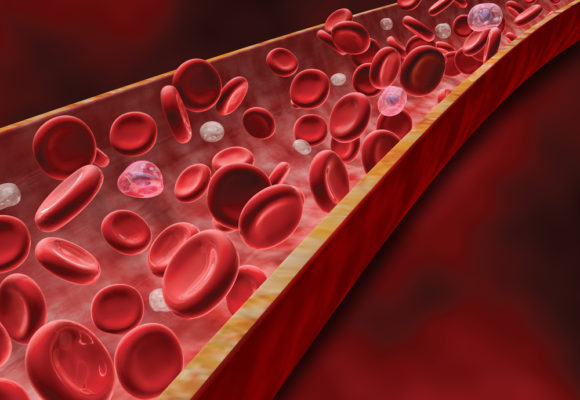
Breast Cancer Cell Sugars in Liquid Biopsies Could Be Key to Early Detection
The sugars that breast cancer cells shed into the bloodstream could provide an early cancer warning, according to a press release from GlycoNet, Canada’s national network of sugar science researchers. Karla Williams, PhD, Canada research chair in oncology at the University of British Columbia, discovered that certain glycans — long chains of sugars — are…

Radiation Therapy Safe for Myeloma Patients Before CAR T-cell Infusion, Study Finds
Administering radiation therapy to people with relapsed or refractory (resistant) multiple myeloma waiting for CAR T-cells to be manufactured was found to be safe and did not impact CAR T-cell therapy, a small study reports. The study details were shared at the virtual 2020 American Society for Radiation Oncology (ASTRO) Annual Meeting, in a presentation…